Product Photo
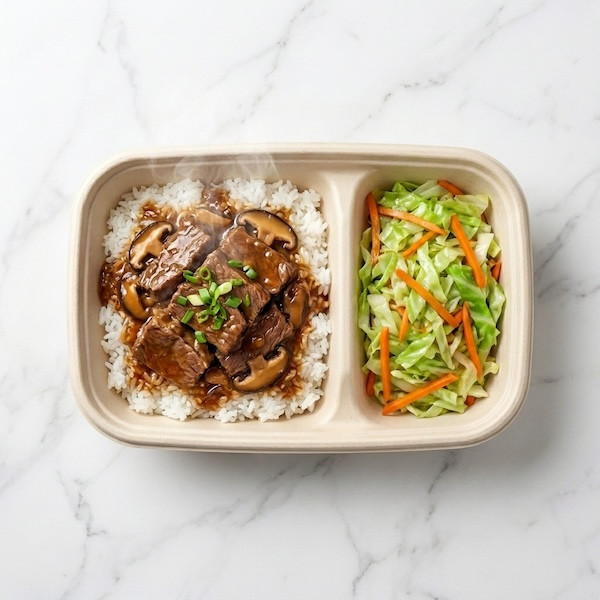
TPX-PP Lamination Film F4408 (35μm)
The lightest gauge in Intlpak's TPX-PP dual-ovenable lamination film family, alongside F4407 (50μm) and F4403 (70μm).
The Lightest Gauge in the TPX-PP Lamination Family
F4408 is the 35μm entry point in the TPX-PP Lamination Film family, alongside F4407 (50μm) and F4403 (70μm) — co-extrusion films built for pulp-molded (molded fiber) food containers, combining a plant-fiber base with a food-contact PP/TPX layer.
Where F4408 Is Used
- 1
Lighter Pulp-Molded Trays
Ready-to-eat and fresh convenience meals in lighter-weight pulp-molded trays. F4408 is the 35μm gauge, the lightest in Intlpak's TPX-PP dual-ovenable lamination film family alongside F4407 (50μm) and F4403 (70μm).
- 2
Premium Takeout and Catering
Premium takeout and catering services requiring minimal plastic footprint. A thinner laminate over a plant-fiber base means less polymer per container, which is the metric brands report when they publish packaging reduction targets.
- 3
High-Fat Dishes and Bakery
High-fat dishes, curries, bento meals, and bakery products. These are the contents that find weaknesses in an uncoated fiber tray — oil wicking into the wall, or moisture softening the base — which is exactly what the laminate is there to stop.
- 4
Weight-Sensitive Packaging Formats
Weight-sensitive packaging formats where a lighter film gauge reduces total container weight. Lower pack weight carries through to shipping cost and freight emissions across a whole delivery fleet, not just the tray itself.
Specifications & Family Comparison
F4408 is the 35μm grade in Intlpak's TPX-PP lamination film family — a 35 micron TPX-PP lamination film for pulp-molded food containers, the lightest gauge in the dual-ovenable family alongside F4407 (50μm) and F4403 (70μm). The table below shows F4408 alongside those two siblings for reference.
| Property | F4408 (35μm) | F4407 (50μm, reference) | F4403 (70μm, reference) |
|---|---|---|---|
| Thickness | 35 μm | 50 μm | 70 μm |
| Max. Heat Resistance | — | Up to 160°C | Dual-ovenable |
| Plastic Reduction | — | — | Up to 85% |
| Width | Customized | ||
| Length | Customized | ||
F4408 is part of Intlpak's TPX-PP lamination film family alongside F4403 and F4407 grades — see the full lamination film catalog for related thicknesses.
Reviewed by: Intlpak R&D Team.
Why Buyers Choose F4408
Storage Notice
Avoid exposure to direct light, wind, and rain — store under appropriate conditions. Prevent products from slipping from high places, being polluted, or being impacted during handling.
Quality & Certification
Manufactured under ISO 9001 quality management and GMP clean-room production, with ISO 22000 & HACCP food-safety certification. All products undergo annual safety checks.
Questions About F4408
F4408 is the thinnest TPX-PP grade at 35 μm — which containers suit it?
Weight-sensitive, light-weighted formats. 35 μm is the family's entry gauge, suited to smaller, lighter molded fiber trays where the goal is pushing total container weight down further. Larger or heavier meals should be evaluated on F4407 (50 μm) or F4403 (70 μm), which carry more film margin.
Why are F4408's heat and plastic-reduction figures not listed?
They aren't published yet. F4408 appears in the official catalogue (Ver. EN260327-CAT), but no dedicated technical data sheet has been released, so heat resistance and plastic reduction remain blank with F4407 and F4403 shown only as same-family reference. For formal F4408 data and current availability, contact our engineering team.
Can F4408 be evaluated while its data is incomplete?
Yes, though run it on two tracks. Request samples and current measured data on one side, and keep the fully documented F4407 as a fallback on the other; where timelines are tight or written specifications must go through internal review, F4407 can support that immediately. Whether the light-weighting gain justifies waiting depends on your container spec and project schedule.
Is F4408's food-contact safety the same as the other grades?
By family positioning, yes — the food-contact surface is an FDA-approved food-grade TPX co-extrusion intended to suppress additive and microplastic migration under high heat and high fat. That is a product-line level description, so if you need documentation specific to F4408, request it from our engineering team.
What foodservice settings use F4408?
Lightweight molded fiber trays for ready-to-eat and fresh convenience meals, premium takeaway and catering with minimal plastic footprint, and high-fat dishes, bento meals and bakery items. Its positioning matches the family; the distinction is using the thinnest film layer to minimise total container weight and material use.
What does a lamination film actually do on a pulp-molded container?
Bare moulded fibre absorbs liquid and grease and cannot be heat sealed. The lamination film is the functional surface: it lines the container so it holds sauce and oil, and gives it a sealable face for a lid. F4408 is the 35 μm TPX-PP grade, the lightest in Intlpak's dual-ovenable lamination family alongside F4407 (50 μm) and F4403 (70 μm).
Can a paper-based container hold liquid without leaking?
Only if it is lined. The fibre body provides the structure; the laminated film provides the liquid and grease barrier and the sealing surface. Intlpak's TPX-PP lamination films come in 35 μm (F4408), 50 μm (F4407) and 70 μm (F4403) — heavier gauges for containers carrying more liquid or seeing rougher handling.