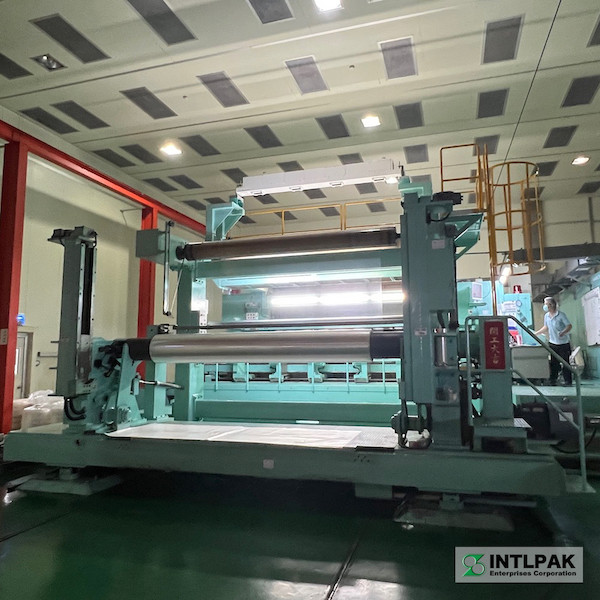
Product Photo
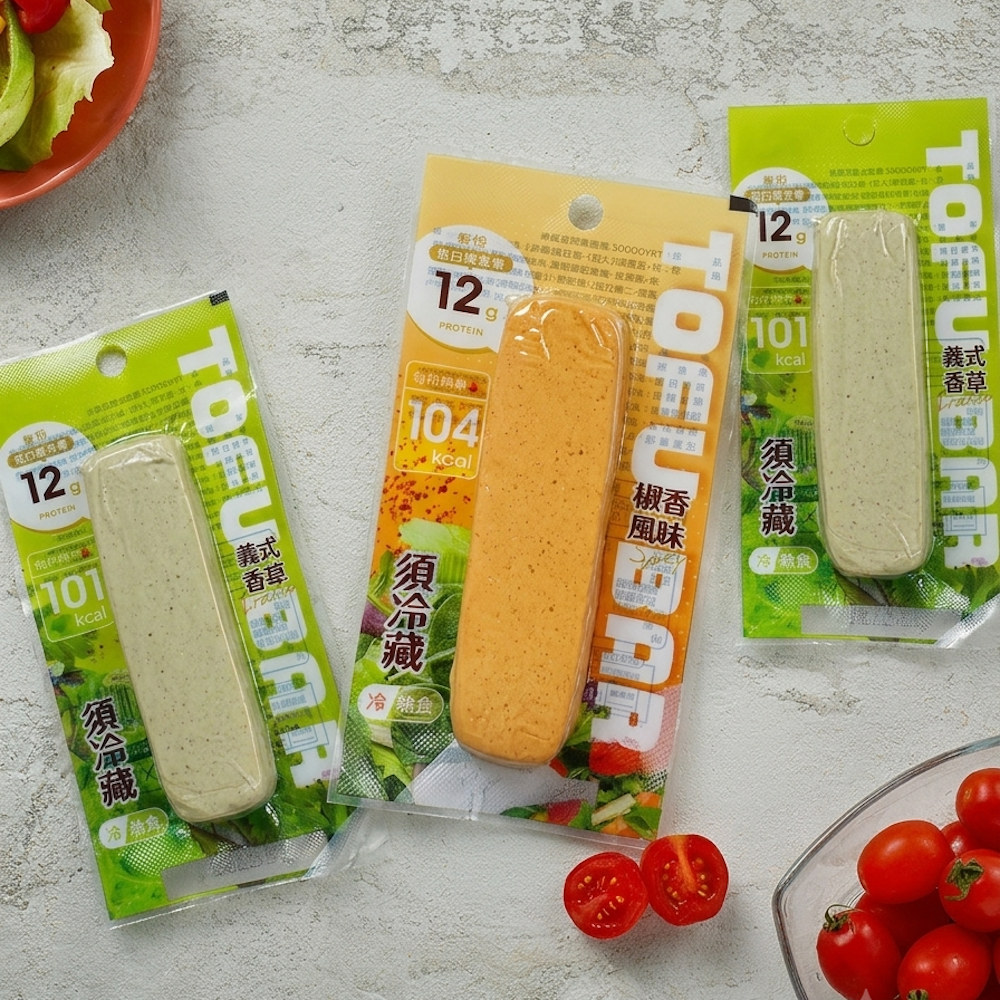
PPNY / Retort CPP Film
High-performance PPNY/RCPP thermoforming film engineered specifically for bottom-web applications on automatic thermoforming packaging machinery. Fully optimized for 121°C retort sterilization, remaining perfectly flat and curl-free post-processing while maintaining superb optical clarity and superior barrier protection.
A Premium Bottom-Web Film Built for Protein Retort Packs
153B2 is a 133μm PPNY/RCPP film for bottom-web use on automatic thermoforming machinery, with formability supporting a recommended 30–50mm forming depth. After forming and 121°C retort sterilization it stays perfectly flat and curl-free while holding its optical clarity and barrier protection — the combination that suits visually premium vacuum packs of protein-rich products such as chicken breasts, protein bars, and hot dogs.
Where 153B2 Is Used
- 1 Chilled & frozen preservation — vacuum packaging of refrigerated and frozen food products
- 2 Protein-focused applications, including chicken breasts, protein bars, and sausages
- 3 High-temperature retort grade, fully optimized for rigorous thermal sterilization
- 4 Sous-vide compatible, with reliable seal performance under heat
Full Specifications — 153B2 (PPNY/RCPP #133)
| Thickness | 133 μm |
|---|---|
| Heat Resistance | 121°C retort sterilization |
| Suggested Forming Depth | 30–50mm |
| Width | Customized |
| Length | Customized |
Detailed mechanical property values (yield/break point, elongation, C.O.F., haze) were not published for this SKU at the time of writing — contact our engineers for a full technical data sheet.
Reviewed by: Intlpak R&D Team.
Why Converters Choose 153B2
Storage Notice
Avoid exposure to direct light, wind, and rain — store under appropriate conditions. Prevent products from slipping from high places, being polluted, or being impacted during handling.
Quality & Certification
Manufactured under ISO 9001 quality management and GMP clean-room production, with ISO 22000 & HACCP food-safety certification. All products undergo annual safety checks.
Questions About 153B2
153B2 is a PPNY/RCPP structure — how is it different from a plain nylon forming film?
Retort capability. Standard nylon forming films are built for vacuum freshness and are not designed to take 121°C pressurized sterilization; 153B2 carries an RCPP retort layer, so a formed pack can go straight into the retort. For chilled vacuum applications with no sterilization step, a nylon forming film such as F2606 is the more economical choice.
Does the film curl or distort after sterilization?
Resisting exactly that is what 153B2 is built for. The 133 μm PPNY/RCPP structure stays flat and curl-free after forming and 121°C retort while holding optical clarity and barrier protection — the behaviour that premium protein vacuum packs such as chicken breast, protein bars and hot dogs are judged on.
How deep can 153B2 form?
Recommended forming depth is 30–50 mm — a mid-depth range suited to standard meat trays. Past 50 mm, move to a heavier deep-draw nylon such as F2647 (180 μm, 60–70 mm) or 15309 (262 μm, 60–100 mm), bearing in mind neither offers retort capability — depth and sterilization have to be traded against each other.
Where does 153B2 sit on an automatic packaging line?
It runs as the bottom web. On automatic thermoforming machinery it is heated and formed into the tray that carries the food, then sealed to a top web under vacuum. It serves ambient, chilled and frozen distribution and is compatible with sous-vide processing.
Why are elongation, haze and similar figures not published for 153B2?
Detailed mechanical data for this SKU was not part of the published technical data sheet at the time of writing, so the page lists only confirmed thickness, heat resistance and forming depth rather than filling gaps with estimates. Full data — yield and break point, elongation, C.O.F., haze — is available from our engineering team; we would rather flag a figure as unpublished than quote one that has not been measured.